
Manual Therapy
"Different from a Massage": The Scientifically Approached Mechanisms of Myofascial Therapy
Date Created
Jun 25, 2026

Blog Summary
Fascia, myofascial release, lymphatic circulation, pain management, body alignment, manual therapy, private insurance coverage, price, benefits, cost, insurance, number of sessions, single session, deductible, Leshine Clinic, consultation
Blog Table of Contents
Massage vs. Myofascial Therapy: What Is the Biggest Difference?
Category
Massage
Myofascial Therapy
Purpose
Fatigue recovery, temporary relaxation
Addressing the source of pain, restoring function
Technique
Repetitive pressure and kneading
Anatomy-based myofascial line release
Evaluation
None
Functional evaluation via movement, tenderness, and muscle strength
Target Area
Entire body or requested areas
Entire structure related to the symptoms
Duration of Results
Temporary
Gradual improvement with continuous sessions
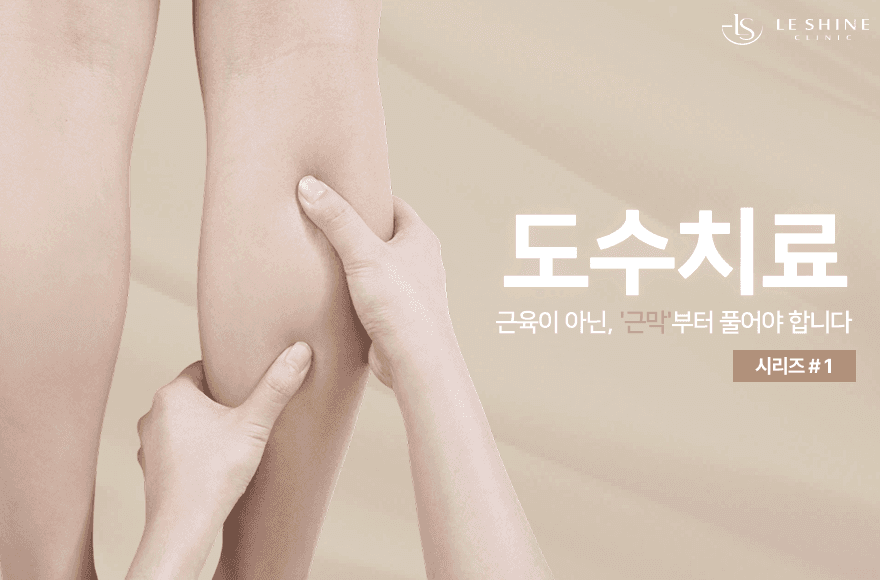
The goal of myofascial therapy is not merely to provide a refreshing feeling, but to focus on restoring the quality of movement and reducing recurrence.
Conclusion – Treatment for 'Function', Not Just 'Feeling'
If pain recurs even with exercise and massage only brings temporary relief, it is time to shift your perspective toward examining your body's structural alignment.
Fascia is a vital connective tissue that links the entire body as a single, unified organism.
Myofascial therapy does not simply loosen a single area; it helps restore overall bodily alignment and functionally manages the underlying causes of pain.
If you have been struggling with persistent discomfort without finding a clear cause, now is the time to look deeper into your fascia, focusing on 'function' rather than just 'feeling.'
Frequently Asked Questions (FAQ)
Q.
How does myofascial therapy differ from a massage?
A. Massage uses kneading and pressure primarily for fatigue relief and general relaxation. In contrast, myofascial therapy evaluates the root causes of symptoms and takes a structural approach along anatomical lines to release fascial adhesions and tension. It aims for functional improvement, not just temporary comfort.
Q.
How often should I receive treatment?
A. It varies depending on the severity of your symptoms, but typically begins with 1 to 2 sessions per week, followed by maintenance care every 2 to 4 weeks depending on your progress. The precise frequency is determined after an evaluation by a qualified specialist.
Q.
Is the treatment painful?
A. Some tenderness may be felt depending on the condition of the target area, but because the pressure intensity is adjusted around your areas of discomfort, most people experience a soothing blend of relief and relaxation. Mild muscle soreness may occur after the session, but it generally subsides within a day.
Q.
What symptoms indicate a need for myofascial therapy?
A. You may consider myofascial therapy in the following cases:
- Recurrent, chronic muscle pain
- Postural asymmetry and imbalance
- Discomfort or restricted range of motion during specific movements
- Persistent discomfort even when movement is possible
- Post-exercise soreness that does not easily subside
Q.
Does the treatment interfere with daily activities?
A. Most clients can return to their daily routines immediately after treatment. Occasionally, slight soreness or muscle fatigue may occur, but these typically resolve quickly with adequate hydration and rest. It is recommended to avoid strenuous workouts for 1 to 2 days right after the session.
Directions to Gangnam Leshine Clinic


Recommended Articles

Slimmer arms and thighs after a procedure? It might actually be due to changes in the fascia.

“The skin is thin, and the fascia runs deep” – From superficial fascia to deep fascia, Le shine’s dual-approach manual therapy

Chronic Pain Unrelieved by Exercise: Addressing the Root Cause with Myofascial Release Therapy

“Neck and shoulder pain, lumbar disc issues? The origin may actually be in your legs” – The Principle of Connected Fascia
"Fascia is more than just an outer covering" – Managing full-body pain through manual therapy